





Economist and policy analyst Phil Kerpen joined Wake Up Tri-Counties to discuss how new credit card regulations could shake up wallets and businesses across Illinois and the nation. Phil Kerpen, president of American Commitment, explains that capping credit card interest rates at 10%—an idea floated by politicians across the spectrum—could make it all but impossible for most Americans to get a card at all, since lenders rely on higher rates to offset risk. Meanwhile, a new Illinois law starting July 1st will prevent credit card fees from being charged on sales tax and tips, potentially requiring double transactions at restaurants and retailers. Mr. Kerpen said the country will be watching Illinois on July 1st to see how the Interchange Fee Prohibition Act works in Illinois, which he believes will “be a mess.” Experts warn these changes could trigger a drop in rewards programs and even push airlines into bankruptcy.
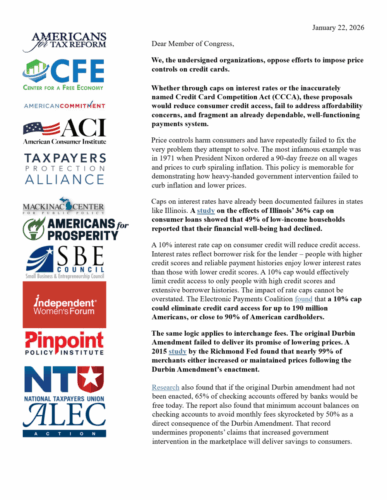
Phil Kerpen is fiercely criticizing proposed 10% interest rate caps on credit cards, calling them “disastrous” price controls. He warns that millions—especially subprime borrowers—could lose access to credit if banks can’t cover losses from risk and fraud. Kerpen contends such caps would force lenders to cut off high-risk consumers, dismantle popular rewards programs, and replicate historical failures from past government intervention in markets. He targets both Donald Trump and progressive politicians for supporting the cap, warning of a potential “government-run lending” scenario. Kerpen remains adamant that market forces, not regulations, should determine credit card interest rates.
Illinois is poised for a major shift in credit card transaction rules. The Interchange Fee Prohibition Act, set to take effect July 1, 2026, will ban financial institutions from collecting interchange, or “swipe,” fees on the tax and tip portions of credit and debit card purchases. Supporters, including State Senator Cristina Castro, say the law will curb costs for local retailers and restaurants. However, the banking industry contends it conflicts with federal regulations and is pursuing legal action. Noncompliant businesses could face fines of $1,000 per transaction. A federal judge upheld the law, but challenges continue as the deadline approaches. No payment systems exist to accommodate this form of transaction.
Illinois lawmakers have approved a bill in 2024 restricting interchange fees on sales taxes and gratuities during credit card transactions, intending to ease the tax collection burden for businesses. However, experts warn that the real winners are major retailers, such as Walmart and Apple, which will absorb most of the savings. Small businesses, making up the vast majority of Illinois firms, could face higher costs to upgrade payment systems capable of separating transaction components required by the law. Consumers are unlikely to benefit, with past evidence suggesting savings aren’t passed on, and card rewards may diminish as a result of reduced interchange revenue. Find more information here.
American Commitment is taking an active role in shaping U.S. policy debates centered on free markets and limited government. Under the leadership of Phil Kerpen, the organization works to influence outcomes through advocacy, strategic analysis, and grassroots mobilization. By collaborating with key partners, American Commitment provides swift and impactful policy research aimed at advancing economic growth and safeguarding property rights. Kerpen’s background, including his time at Americans for Prosperity and other major organizations, brings substantial expertise to the cause. The group aims to bridge the gap between policy research institutions and on-the-ground activism, amplifying the free-market voice nationwide.