





By Alun John and Naomi Rovnick
LONDON, Dec 11 (Reuters) – Central banks in big economies are signaling a change of stance, with many now on hold after a long easing cycle, and policymakers flagging that their next moves, in time, could be rate hikes.
The U.S. Federal Reserve is something of an outlier. It cut rates this week, and markets still see more easing next year, but the Fed expects one further rate cut, so it too could be nearing the end.
Here’s where central banks in 10 developed markets stand.
1/ SWITZERLAND
The Swiss National Bank left its policy interest rate unchanged at 0% on Thursday, the lowest among developed-market central banks, and said the recent agreement to reduce U.S. tariffs on Swiss goods had improved the economic outlook.
Even though Swiss inflation is at zero as the strong safe-haven franc cheapens import costs, the bar for bringing rates negative is high, and economists expect price growth to recover mildly next year and the SNB to stay on hold throughout 2026.
2/ CANADA
The Bank of Canada held its key rate at 2.25% on Wednesday, after 225 basis points (bps) of easing this cycle. Governor Tiff Macklem said the economy was proving resilient to U.S. trade measures.
The BOC is expected to keep rates on hold until 2027, after government spending and robust oil exports lifted third-quarter growth to 2.6% and the labour market strengthened.
3/ SWEDEN
Sweden’s Riksbank also expects previous monetary easing to begin lifting GDP growth and with year-on-year inflation running just above its 2% target, analysts anticipate it will hold rates at 1.75% on Dec. 18, with a lengthy pause to follow.
4/ NEW ZEALAND
With unemployment stuck at a nine-year high, turning hawkish will be a tough choice for new Reserve Bank of New Zealand boss Anna Breman.
With a string of punchy rate cuts having helped propel inflation to the top end of the central bank’s target range, however, money markets see New Zealand’s cash rate nearing 3% by December 2026 from 2.25% currently.
5/ EURO ZONE
The European Central Bank has been firmly on hold at 2% since June and is likely to remain so next week.
A shift appears to be underway however. For the last few months, a further rate cut was seen as a possibility, but not anymore as traders reacted to ECB board member Isabel Schnabel saying Monday the ECB’s next move may be a hike, even if not immediately.
6/ UNITED STATES
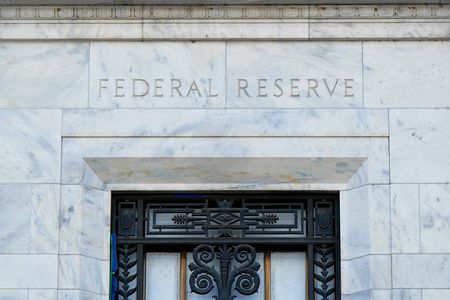
The Federal Reserve cut rates on Wednesday, in a divided vote, but hinted it will now pause as officials look for clearer signals about the job market and inflation that “remains somewhat elevated.”
Projections issued after the meeting showed policymakers see just one 25 bps cut in 2026. That could presage disagreements with President Donald Trump, who wants more easing, but projections of faster growth, lower inflation and steady employment might mollify him.
7/ BRITAIN
Money markets put almost a nine-in-ten chance on the Bank of England cutting rates to 3.75% on Dec. 18, but price little more than 30 bps of further easing during 2026.
The BoE last month voted 5-4 to leave rates unchanged at 4% and remains deeply divided after the government’s tax-hiking Nov. 26 budget soured economic sentiment but elevated food price inflation suggested price pressures remained strong.
8/ NORWAY
The Norges Bank has been the most cautious in the G10 pack, having cut rates by just 50 bps this cycle.
Markets think it will hold next week, but are pricing one further cut in mid-2026. Wednesday’s data showing cooling in core inflation will help.
9/ AUSTRALIA
The Reserve Bank of Australia looks like it’ll be first to the turning point. On Tuesday, it held rates steady at 3.6%, ruled out further policy easing, and, most notably, warned its next move could be up if inflation pressures prove to be stubborn.
That gave the Australian dollar a boost, and weighed on government bonds. Markets are fully pricing a hike by June 2026, and see a good chance it’ll come in May.
10/ JAPAN
The Bank of Japan, the sole central bank in hiking mode for now, is set to raise rates to 0.75% at its meeting next week.
Japanese markets are in focus globally. Prime Minister Sanae Takaichi’s announcement of massive stimulus has sent longer-dated government bond yields surging, with spillovers elsewhere, while the yen is under pressure.
Governor Kazuo Ueda would be relieved if his post-meeting remarks avoid accelerating the selloff in one or the other.
(Reporting by Naomi Rovnick and Alun John, editing by Dhara Ranasinghe and Philippa Fletcher)
Brought to you by www.srnnews.com