





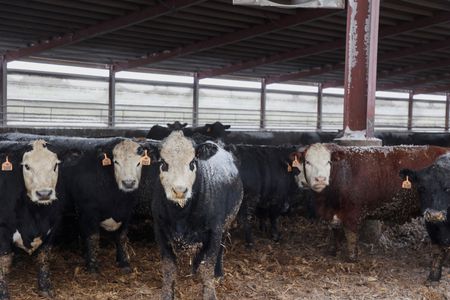
CHICAGO, Dec 24 (Reuters) – Gary Vetter was 10 years old when he started feeding cattle at his family’s farm.
Fifty-five years later, after surviving bouts of extreme weather, changing consumer tastes and global trade disruptions, the Westside, Iowa, farmer faces an unexpected risk from the man he backed for U.S. president: Donald Trump.
Facing intense frustration from voters over rising everyday costs, Trump declared this fall that beef was too expensive and ranchers must lower cattle prices. The price of beef was “higher than we want it, but it’s going to be coming down soon,” Trump said.
Much like the price of eggs during the Biden administration, the cost of beef has become an emblem of the affordability crisis in America. Beef prices hit record highs earlier this year as the cattle herd shrank and consumer demand remained strong.
Trump’s comments shocked ranchers, who largely voted for the president. Then his administration announced plans to quadruple low-tariff U.S. imports of beef from Argentina, launched an investigation into meatpackers for price manipulation, and removed duties that Trump imposed over the summer on imports of Brazilian beef.
The series of moves knocked down cattle markets but did not significantly lower the cost of beef at grocery stores, causing ranchers, typically straight shooters, to speak up.
“It would have been nice if Trump hadn’t said anything,” Vetter said. “I’m still a Trump supporter. I’m just not a happy Trump supporter.”
Reuters spoke with a total of eight ranchers who said they still backed Trump, though he hurt prices for their cattle.
Feeder cattle futures dropped by an exchange-imposed maximum that limits how far prices can fall each day and sank by 21% over a little more than a month after reaching a high on October 16. On that day, Trump first said his administration was working to lower beef prices.
CATTLE FARMERS FEEL HEAT
The selloff sliced profits for ranchers, pushed livestock buyers from making purchases, and chased away speculative traders as cattle markets turned increasingly volatile, cattle producers and traders said.
“It’s affected the price that we as ranchers are getting; it’s affected what feedlots are getting; but it hasn’t done anything that I’ve seen or heard about yet to impact what the consumers are paying,” said Marty Smith, 66, whose family has been ranching in Wacahoota, Florida, for 175 years.
Cattle futures started rising in late November following their steep slide but remain below where they were before Trump’s comments. Economists said it would likely take months for retail beef prices to reflect the setback in cattle markets. Impacts on retail prices would also be less dramatic because meatpackers, wholesale distributors and retailers stand between ranchers and consumers and add to costs, they said.
Many cattle ranchers also raise crops, and cattle had been a bright spot for their businesses as grain and soybean prices slumped due to large supplies and Trump’s trade policies. Trump unveiled a $12 billion aid package intended mostly for crop growers this month.
Cattle prices had reached record highs throughout 2025 after years of drought dried up grazing lands and forced producers to slash the nation’s herd to its smallest size in decades. As a result of the decline, the U.S. for the first time in 2025 lost its spot as the world’s biggest beef producer to Brazil, according to U.S. government estimates.
Cattle supplies tightened further after the Trump administration halted U.S. imports of Mexican livestock to keep out a flesh-eating parasite.
As tight supplies raised costs for meat processors, Tyson Foods said in November it would permanently shut a major U.S. beef plant, removing a market for cattle. The U.S. Department of Agriculture this month lowered its estimates for cattle prices through 2026 in part because of the impending closure.
Trump has accused meatpackers such as Tyson of driving up beef prices through manipulation and collusion, and ordered the Justice Department to investigate. Meatpackers said their industry is heavily regulated, and transactions are transparent.
STICKER SHOCK IN THE GROCERY AISLE
The retail cost of ground beef in November climbed to $6.54 per pound from $5.63 per pound a year earlier, up 16%, according to the latest data from the Bureau of Labor Statistics. For boneless stew meat, retail prices jumped 23% to $9.17 per pound from $7.43 per pound.
Since Trump’s comments in mid-October, wholesale prices for select cuts of beef shipped to buyers in large boxes were up 0.5% as of Monday, while wholesale prices for choice boxed beef eased 1%, according to U.S. data.
High prices for a range of goods, including beef, coffee and electricity, have upset consumers and frustrated Trump. A recent Commerce Department report showed annual inflation rose at its fastest pace in nearly 1-1/2 years in September.
Democrats exploited voters’ angst about the economy in recent state and local election victories, campaigning in 2024 on a pledge to lower consumer prices.
“The Trump administration is taking a whole-of-government approach to lowering beef prices, with multiple agencies slashing regulations, supporting small processing facilities, and taking other actions to support both ranchers and consumers,” White House spokesperson Anna Kelly said.
WHO WILL REBUILD THE HERD?
Ranchers felt beef was targeted unfairly because costs were high for a number of goods.
“It’s a sock in the gut for all of us,” said Dean Meyer, 62, a Rock Rapids, Iowa-based cattle feeder who temporarily paused buying cattle last month due to increased uncertainty and falling prices.
Eight ranchers in rural America said that they still supported Trump because of his stances on immigration and other issues, after voting for him in the last presidential race. But for some of them, Trump’s interference in the beef market shook their confidence in him.
“He’s waged war against a group of producers that literally have no real effect on the price of beef in the store,” said Todd Hertzog, owner and operator of beef processor Hertzog Meat Company in Butler, Missouri.
A fledgling effort to rebuild the nation’s cattle herd, which economists say would eventually help reduce beef prices, is at risk after Trump injected uncertainty into the market over imports, ranchers and economists said.
Falling cattle prices did not help.
Vetter, who buys young cattle to fatten for sale to meatpacker Cargill, said he paid about $2,500 per head for 450 steers weighing about 500 pounds each around the end of October. By the end of November, the price had dropped by about $300.
At the same time, meatpackers were willing to pay less to buy cattle that Vetter feeds to weigh about 1,650 pounds.
Reached just before Thanksgiving, Vetter said that he was facing potential losses of $250,000 on his recent cattle purchases after prices tumbled.
“The president can do whatever he wants but it’s going to be hard to build the cow herd if we don’t have some stability,” Vetter said. “I’m going to push a pencil really hard before I buy that next set of calves.”
(Reporting by Tom Polansek. Editing by Emily Schmall and Michael Learmonth)
Brought to you by www.srnnews.com