





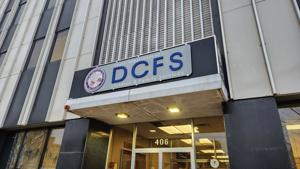
(The Center Square) – An Illinois state senator has introduced legislation requiring the Department of Children and Family Services to publicly account for every foster child who goes missing while under state care, citing a lack of reliable data that lawmakers say has hampered oversight and child safety efforts.
Senate Bill 2869, introduced by Sen. Darby Hills, R-Barrington Hills, would require DCFS to submit an annual report to the General Assembly beginning June 1, 2027, detailing how many youth in state care were reported missing, how many were later found or recovered, and how many remain missing.
“Policymakers can’t fix what they don’t know, and this legislation ensures that information is no longer hidden or inconsistent,” Hills told TCS.
The bill follows months of reporting by The Center Square, which found that DCFS could not initially provide basic information about how many foster children had gone missing. After further investigation, The Center Square published data showing hundreds of children classified as missing while in state care, information that Hills said was not readily available to lawmakers or the public.
“If there’s one missing child, it alarms me,” Hills said. “Let alone if there’s 193. And we don’t even know if that’s necessarily accurate either.”
Hills, the Senate minority spokesperson for child welfare and a former Cook County prosecutor, emphasized that transparency is a prerequisite for accountability.
“Without reliable data, we as lawmakers and the public can’t identify patterns,” she said. “We can’t figure out if there are gaps in care, and we can’t identify opportunities to prevent children from going missing in the first place.”
When asked who should ultimately be held accountable if children disappear from state care, Hills said the question cannot be answered without first understanding the scope and causes of the problem.
“We’d have to see how they went missing, where they’re missing from, to be able to find out why they went missing,” she said.
Hills also raised concerns about the risk of human trafficking among missing foster youth, noting that children in state care are particularly vulnerable.
“We need to find out where these children are,” she said. “Are they being trafficked? Are they being harmed? This is the point of this.”
Hills said she supports additional training and resources to help caseworkers identify youth at high risk of running away or going missing.
“If we can’t locate 193 children, that is very alarming,” she said. “One child going missing is bad enough. And we don’t even know if there’s more.”
She said DCFS should be working closely with law enforcement, including federal agencies, when children go missing, though she acknowledged the agency’s staffing challenges.
“We know DCFS is stretched thin,” Hills told TCS. “We appreciate how much they do, but we do need transparency and to be able to help and make sure that we’re protecting children.”